Favorite games from Atari’s eight-bit computers and the sixteen-bit ST era. Explore the
box art, discover the stories behind the games, and watch them in action.
Eight favorites, from deep-space missions and daring rescues to underground puzzles
and a sport from the future.
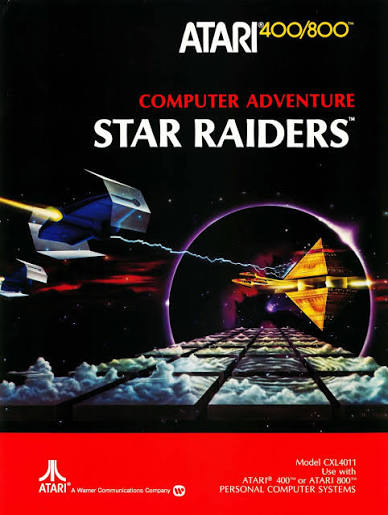
Star Raiders (1979)
Space combat / Atari
Doug Neubauer’s space adventure puts you in the cockpit of a starfighter defending
friendly starbases against the Zylons. Use the galactic chart to choose your next
destination, jump through hyperspace, then switch to the cockpit to track and engage
enemy ships.
Combat is only part of the challenge: energy, shields, damage, and trips back to a
starbase all shape your decisions. The combination of strategic navigation and
first-person action gives each mission a sense of scale beyond a simple shooting
gallery.
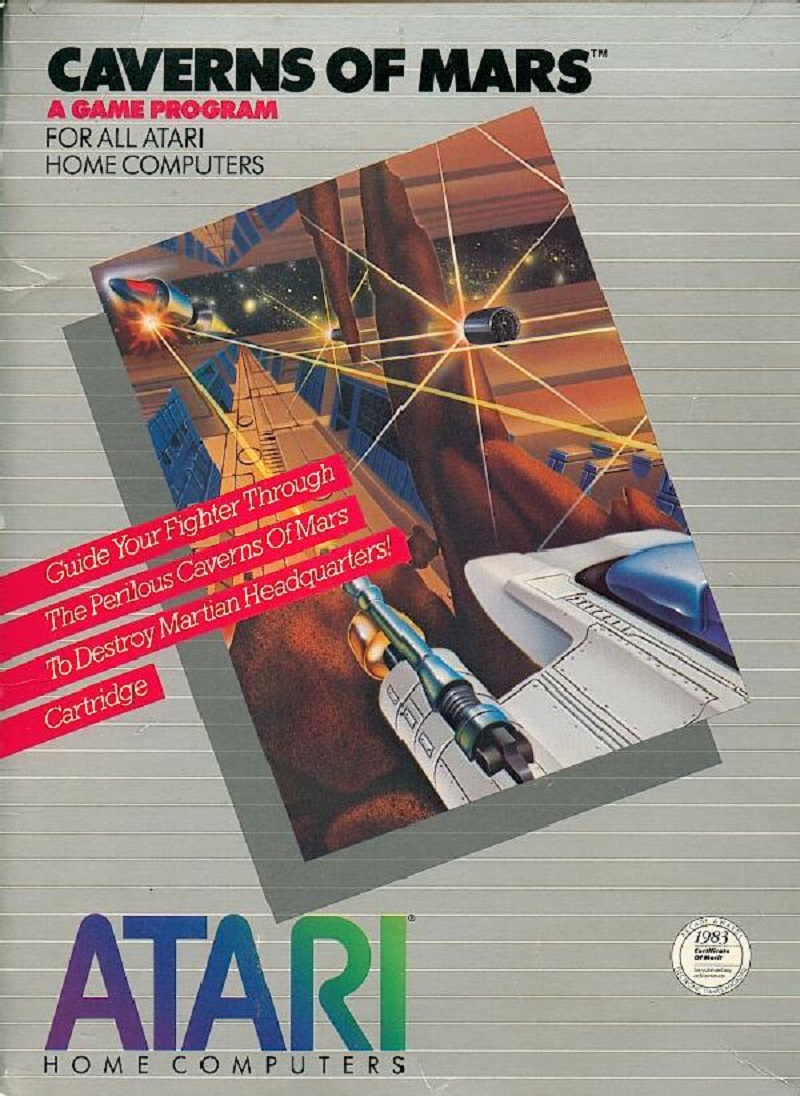
Created by high-school student Greg Christensen, Caverns of Mars began as an Atari
Program Exchange release before joining Atari’s main software line. Guide a
spacecraft down narrow Martian passages, shooting obstacles and fuel tanks while
keeping clear of the cavern walls.
The descent is only half the mission. At the bottom, activate the bomb and race
back to the surface before it explodes. Fuel management and careful steering turn a
straightforward idea into a tense journey down and an even more urgent escape.
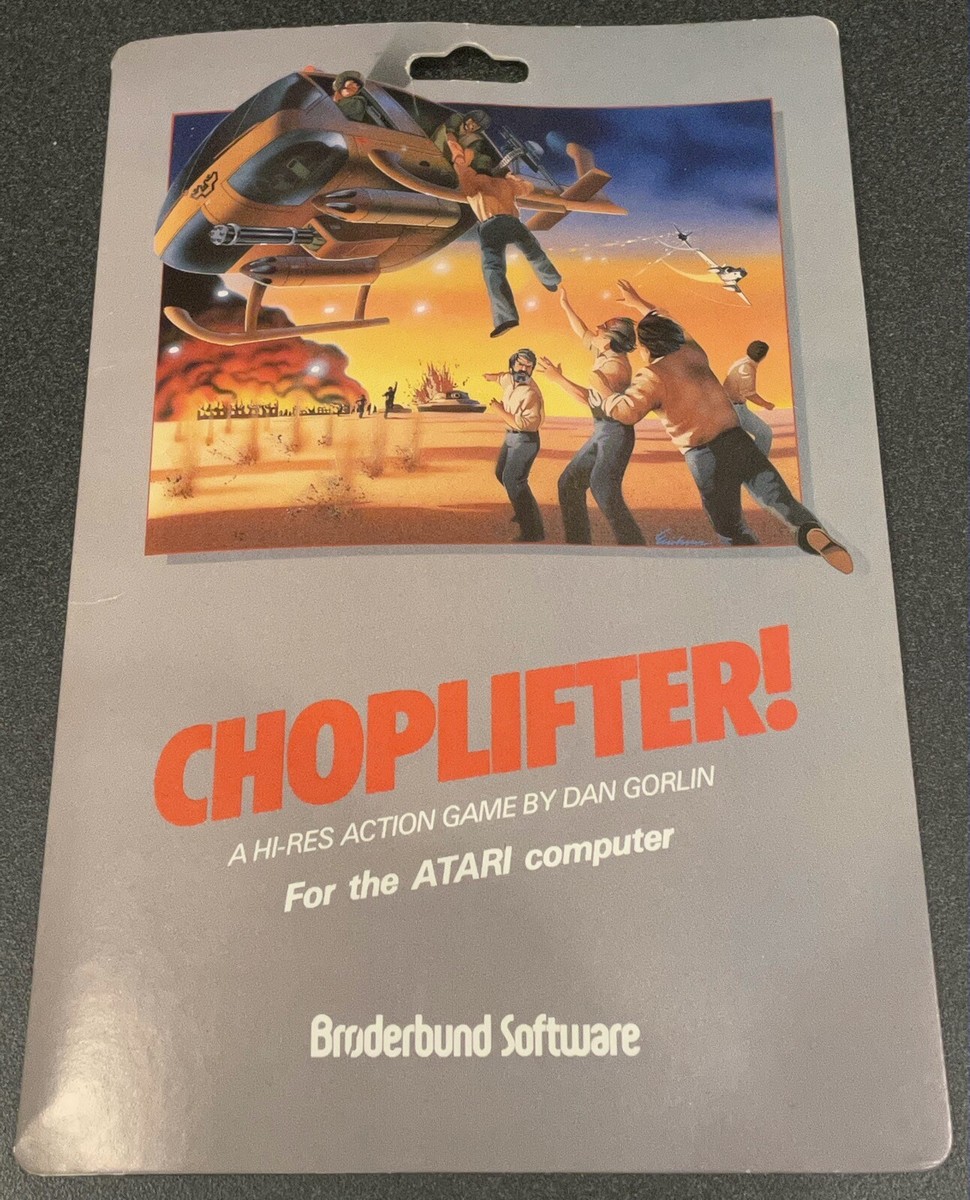
Dan Gorlin’s Choplifter first appeared on the Apple II and reached Atari’s
eight-bit computers in the same year. You fly a helicopter behind enemy lines, free
hostages, land to collect them, and carry them back to safety.
Tanks and aircraft make every pickup dangerous, but rescuing people is the central
objective. The need to land carefully and protect the people on the ground gives the
game its character: successful flying means balancing defensive fire with a safe
route home.
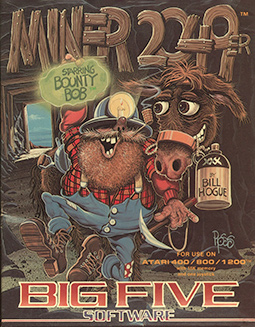
Bill Hogue’s Miner 2049er sends Bounty Bob through ten mine stations in the
original Atari version. Clear each station by walking over every section of its
platforms before the timer expires, avoiding the creatures that patrol the mine.
The requirement to cover every platform makes route planning as important as
jumping. Each new layout asks you to work out where to go first and how to reach the
remaining patches safely, giving the game a puzzle-like rhythm beneath its arcade
action.
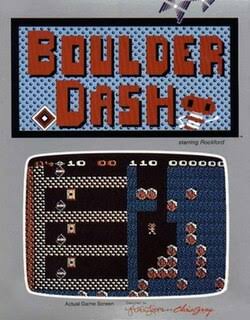
Created by Peter Liepa with Chris Gray, Boulder Dash debuted on Atari eight-bit
computers. As Rockford, dig through caves, gather the required diamonds, and find
the exit before time runs out. Removing earth can release the boulders resting above
it, making every tunnel a decision.
Gravity is both a threat and a tool. A falling rock can crush Rockford, clear an
enemy, or help create more diamonds. That interaction between digging, falling
objects, and moving creatures gives the caves much more depth than their simple
appearance suggests.
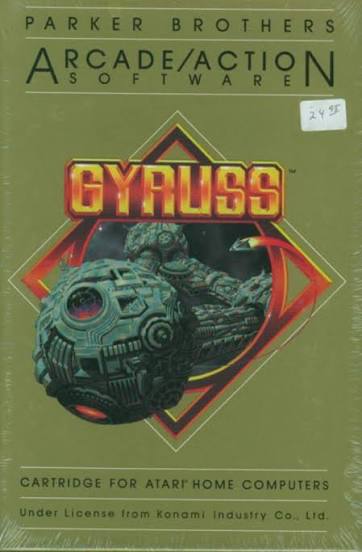
Parker Brothers’ Atari computer version brings Gyruss’s circular space combat home.
Your ship travels around the edge of the screen, firing inward as alien formations
spiral toward the center. Survive successive warp stages on a journey from beyond
Neptune toward Earth.
Enemy shots, mines, and meteors keep you moving, while the familiar patterns reward
practice. The rushing starfield and energetic Bach-based soundtrack strengthen the
sensation of hurtling through space; a December 1984 Antic review singled out both
its pace and its music.
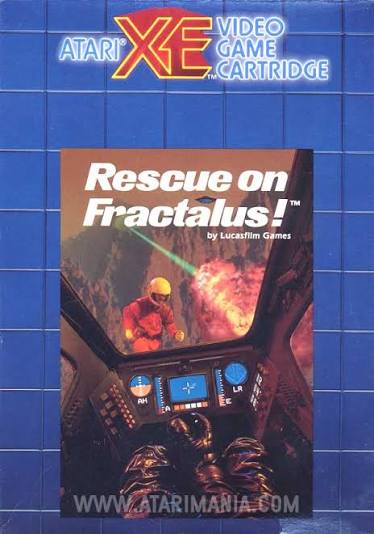
David Fox and the Lucasfilm team built a rescue mission around a striking alien
landscape. Fly through jagged mountains, locate downed pilots, and land to take them
aboard. Loren Carpenter’s fractal terrain helped make the planet feel like a place
to explore rather than a flat backdrop.
The tension comes from vulnerable landings as much as flying: an apparent survivor
can turn out to be a hostile Jaggi. The sudden appearance of an alien at the cockpit
window became one of the game’s defining moments.
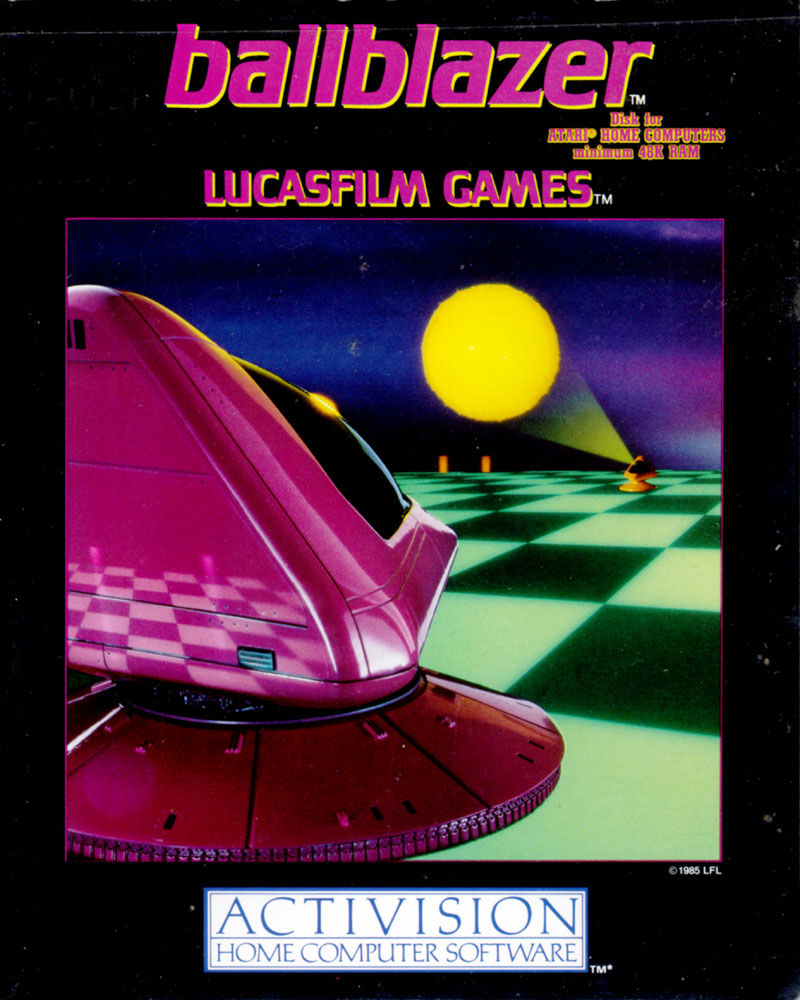
Ballblazer turns a checkerboard arena into a fast one-on-one contest. Pilot a
hovering Rotofoil, capture the floating Plasmorb, and shoot it between your
opponent’s moving goalposts. The split screen gives each player a first-person view,
with computer opponents available for solo matches.
The craft automatically faces the ball, or the goal when you have possession,
leaving you to concentrate on movement and timing. Its distinctive musical score
uses algorithmic improvisation and responds to play, adding another layer of motion
to the contest.
Star Raiders carries a 1979 copyright; some histories date its commercial release to
1980. Ballblazer and Rescue on Fractalus! were unveiled in 1984, with their Epyx Atari
computer releases following in 1985. The dates above retain those early milestones;
the box art may show later editions. See the Star Raiders history and the
release histories for Ballblazer and Rescue on Fractalus!.
Atari ST / The next generation
16-bit games
Eight Atari ST favorites: space combat, connected mazes, flight and racing
simulations, ingenious puzzles, and three classic Sierra adventures. Years shown are
Atari ST release dates.
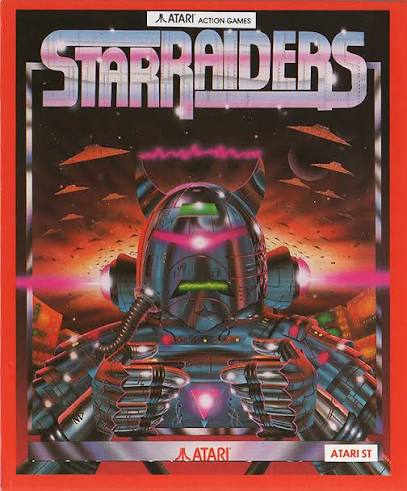
Star Raiders (1986)
Space combat / Atari Corporation
Atari brought Star Raiders to the ST in 1986, with the new version designed and
programmed by Rob Zdybel. The familiar combination of cockpit combat and galactic
strategy returns: track hostile ships, choose your next destination, and protect
friendly starbases from the Zylons.
The ST edition gives this early Atari favorite a new presentation while keeping the
decisions that made its missions compelling. Choosing when to fight, when to move to
another sector, and when to seek repairs matters just as much as lining up a shot.
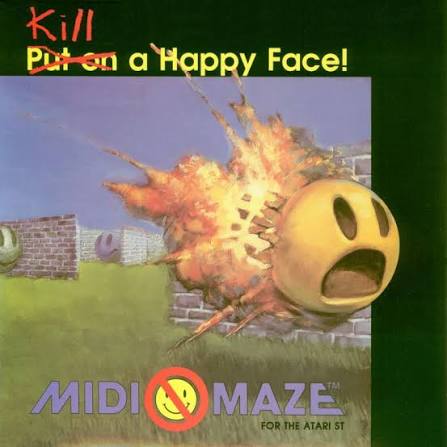
Developed by Xanth Software F/X and published by Hybrid Arts, MIDI Maze turns a
first-person labyrinth into a contest between smiling spherical opponents. Explore
the corridors, find the other players, and fire at them before they spot you.
Its defining feature is the use of the ST’s built-in MIDI ports to connect as many
as sixteen computers. Those sockets, normally associated with music equipment, let
friends share the same maze in an early example of networked first-person combat.
The cheerful faces make an amusing contrast to the competitive chase.
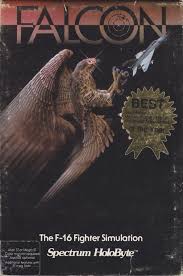
Rowan Software brought Spectrum HoloByte’s F-16 simulator to the Atari ST in 1988.
Falcon puts you behind the instruments of a modern fighter, combining aircraft
handling with combat missions against targets in the air and on the ground.
Selectable difficulty levels let you build confidence before taking on more
demanding flying. Learning the cockpit, selecting weapons, and bringing the aircraft
home give each sortie a sense of responsibility beyond simply chasing a target. It
is a game for settling into the pilot’s seat and learning what the machine can do.
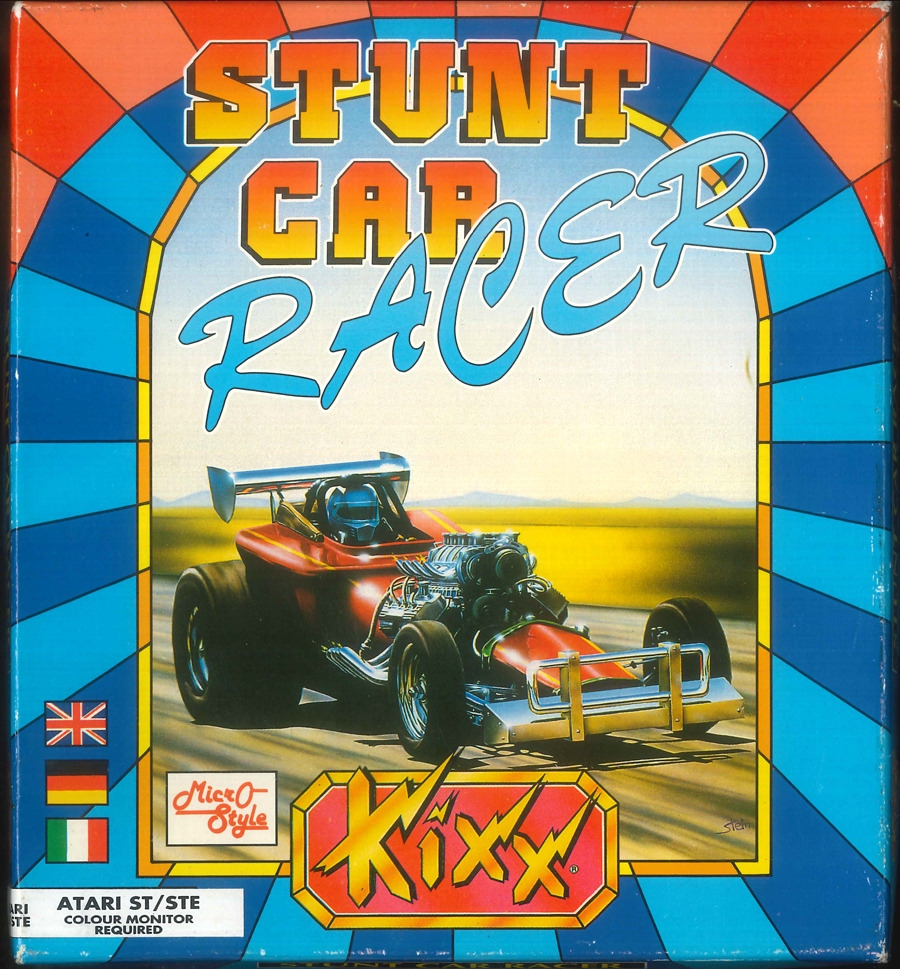
Geoff Crammond’s Stunt Car Racer trades ordinary roads for elevated tracks filled
with steep slopes, gaps, and jumps. From the cockpit, race a rival around these
precarious courses, using a limited supply of boost to gain speed and clear the next
obstacle.
Keeping the car on the track is a challenge of its own. A bad landing or a fall
costs time and damages the car, so the fastest lap depends on judgment as well as
acceleration. The league structure gives you a reason to master each course and earn
a place among tougher opponents.
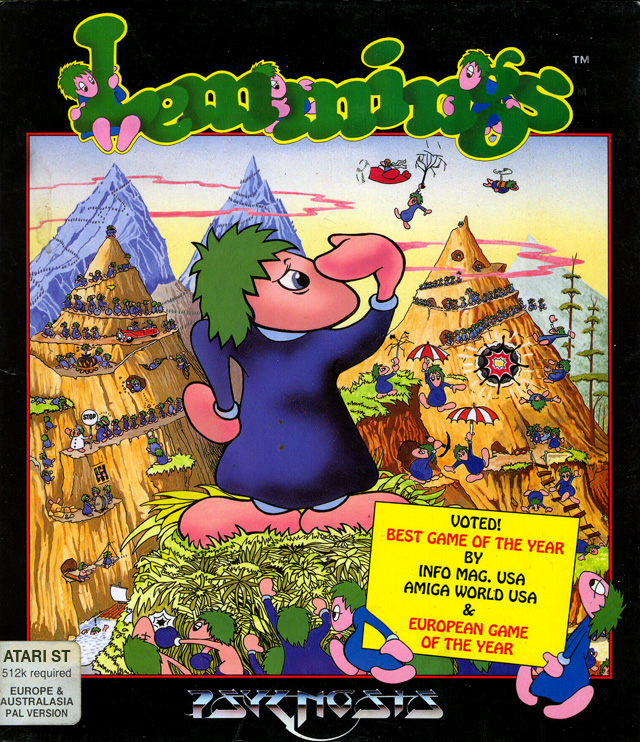
DMA Design’s Lemmings asks you to guide a stream of small, green-haired creatures
to safety. They walk forward without regard for danger, so you assign skills such as
digging, building, climbing, and blocking to create a route through each hazardous
level.
Every level limits the skills available and demands that you rescue a certain
proportion of the group before time runs out. The pleasure comes from turning a
chaotic procession into a working plan, then making quick corrections when a bridge
ends too early or a digger opens the wrong path.
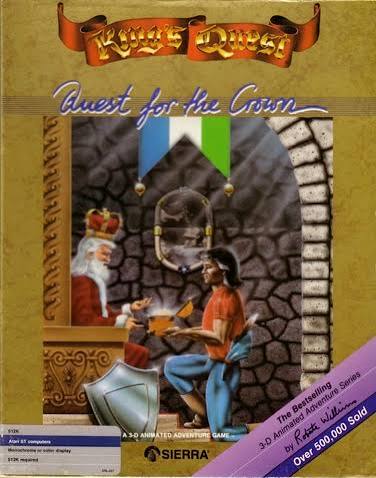
Roberta Williams’s fairy-tale adventure reached the Atari ST in 1986. As Sir
Graham, explore Daventry in search of three lost magical treasures for King Edward.
Forests, castles, and familiar storybook creatures form a world of puzzles,
discoveries, and unexpected dangers.
The original adventure combines an on-screen character with typed commands. Moving
through the scenery, examining objects, and deciding what to say or use makes
exploration feel like a conversation with the game. Observation and a little
fairy-tale logic are often more useful than force.
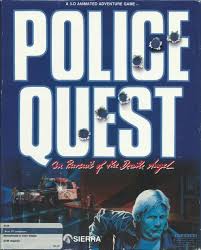
In Pursuit of the Death Angel follows Sonny Bonds, a patrol officer in the
fictional city of Lytton. Designed by former police officer Jim Walls, Sierra’s
adventure starts with everyday duties and develops into an investigation involving a
dangerous criminal.
Typed commands and exploration will feel familiar to Sierra players, but attention
to police procedure gives this story its own identity. Preparing the patrol car,
handling encounters properly, and following the right steps can determine whether an
investigation advances or ends abruptly. Careful reading is part of the challenge.
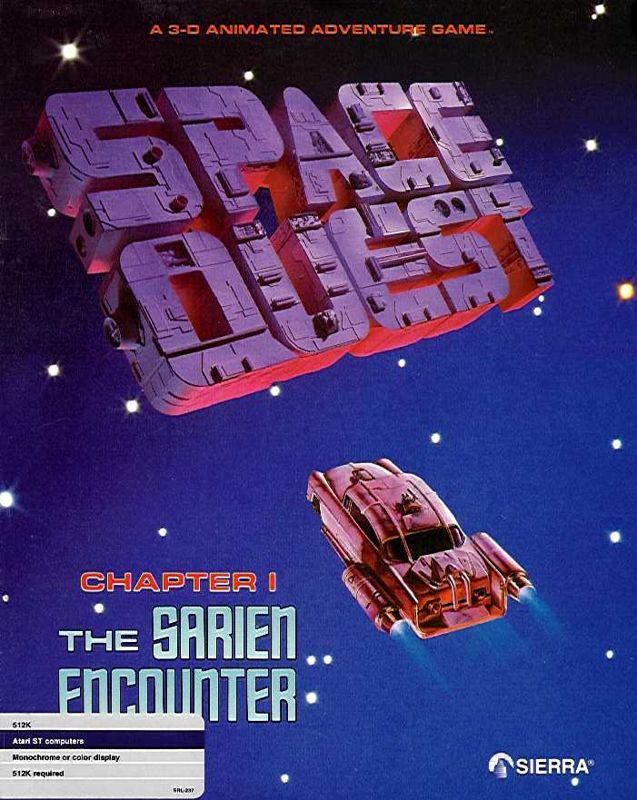
Scott Murphy and Mark Crowe’s The Sarien Encounter casts Roger Wilco as an unlikely
hero: a starship janitor who survives an attack while asleep in a closet. With the
crew gone and the Star Generator stolen, Roger must escape and find a way to stop
the Sariens.
The original game pairs typed commands and inventory puzzles with science-fiction
jokes and deliberately undignified mishaps. Its appeal lies in being an ordinary
worker stranded in extraordinary circumstances, where an overlooked object or a
carefully worded command can be more useful than heroic bravado.